
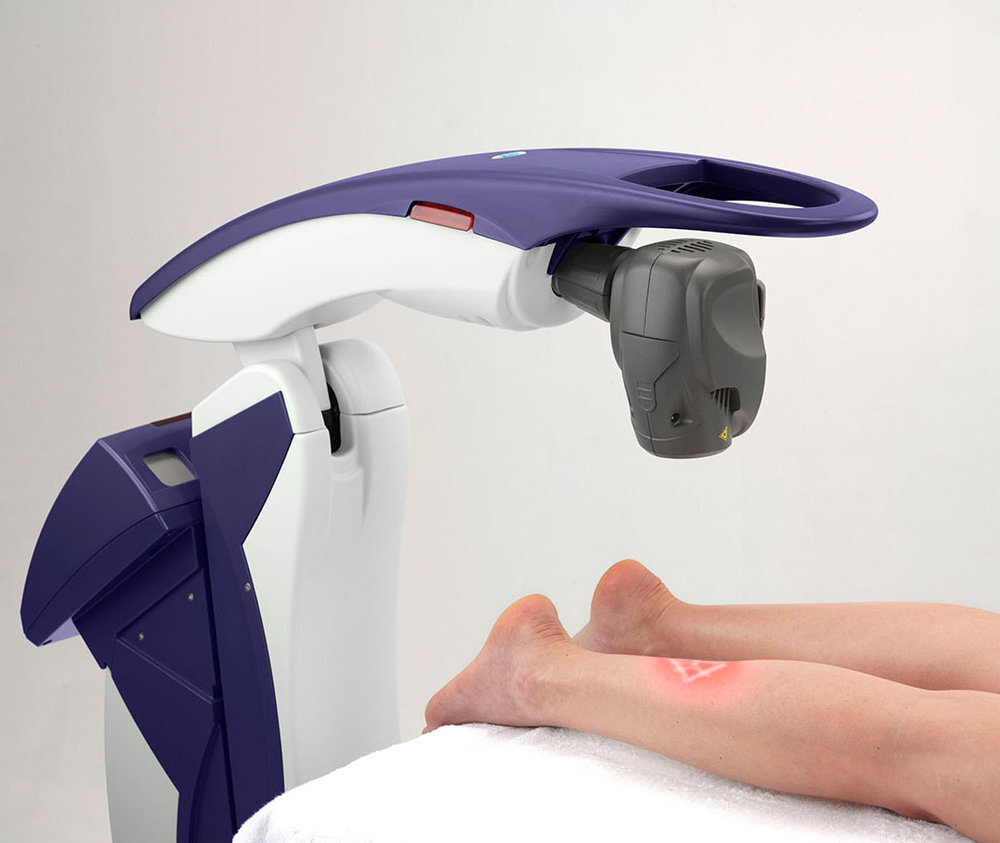
MLS Laser Therapy
Discover the power of advanced, non-invasive healing with MLS Laser Therapy—a breakthrough treatment featured at Regenerative Health & Wellness Center in Voorhees, NJ.
This FDA-cleared, Class IV robotic laser system uses synchronized dual wavelengths to penetrate deep into tissues, significantly reducing pain and inflammation while promoting soft-tissue repair and faster recovery. As part of our "non-surgical first" regenerative approach, MLS Laser is often combined with PRP, peptides, IV therapy, or other biologics for enhanced, comprehensive results.
MLS (Multiwave Locked System) Laser Therapy is an innovative, painless light-based treatment that delivers controlled laser energy at two synchronized therapeutic wavelengths (typically 808 nm for anti-inflammatory effects and 905 nm for analgesic/pain relief). This unique "locked" synchronization allows deeper penetration (up to several centimeters) without generating excessive heat, targeting the affected area precisely while stimulating your body's natural healing processes at the cellular level.
The laser energy is absorbed by cells, converting into biochemical energy (photobiomodulation) that:
Boosts ATP production (cellular energy)
Increases blood flow and oxygenation
Reduces inflammation by modulating cytokines and other markers
Stimulates collagen production, fibroblast activity, and tissue regeneration
Releases endorphins for natural pain relief
Accelerates repair of muscles, tendons, ligaments, nerves, and joints
At Regenerative Health & Wellness Center, we use the most advanced MLS system available—fully robotic for consistent, targeted delivery.
What is MLS Laser Therapy?
Our specialists apply MLS Laser to address a wide range of issues, including:
Knee Pain & Osteoarthritis — To reduce pain, stiffness, and support joint function (often combined with PRP).
Plantar Fasciitis & Foot/Ankle Conditions — Heel pain, Achilles tendinopathy, sprains, arthritis (led by Dr. Frank Tursi, foot & ankle expert).
Shoulder Problems — Rotator cuff issues, bursitis, frozen shoulder, arthritis.
Elbow Pain — Tennis elbow, golfer’s elbow, tendonitis.
Hip Pain & Bursitis — Arthritis and mobility concerns.
Sports Injuries & Sprains/Strains — Acute or chronic soft-tissue damage.
Neuropathic Pain — Nerve-related discomfort.
Post-Surgical Swelling & Bruising — Faster recovery after procedures.
Back & Neck Pain — Muscle strains, overuse injuries.
MLS is especially effective for mild to moderate degenerative conditions, tendon/ligament issues, and inflammation-driven pain.
Conditions Commonly Treated with MLS Laser Therapy
Rapid Pain Relief — Many patients experience noticeable reduction after just a few sessions, often without medications.
Strong Anti-Inflammatory Effects — Helps decrease swelling and promote a healthier tissue environment.
Improved Mobility & Function — Supports better range of motion and daily activities.
Accelerated Healing — Speeds recovery from injuries, surgeries, or chronic conditions.
Non-Invasive & Safe — No downtime, no side effects, painless (feels like gentle warmth), and drug-free.
Versatile & Combinable — Frequently paired with PRP for joints, corrective muscle therapy, or peptides for synergistic regenerative outcomes.
Studies and clinical evidence show MLS Laser often provides superior short- and medium-term pain relief and functional improvement compared to traditional therapies in conditions like osteoarthritis.
Key Benefits
Treatments are quick, comfortable, and performed in-office by our experienced team:
Consultation — We assess your condition, history, and goals to customize a plan.
Treatment Session — You relax while the robotic handpiece delivers the laser (no gel or contact needed in many cases). Sessions last 10–20 minutes.
No Downtime — Resume normal activities immediately; some feel warmth or mild tingling during treatment.
Recommended Protocol — Typically a short series of sessions (e.g., 6–12 over 2–4 weeks, depending on severity); acute issues may need fewer.
Many patients start feeling relief after 1–3 sessions, with cumulative benefits building over time.
Procedure Details
Immediate — Mild soreness, swelling, or stiffness at the injection site (similar to a deep workout) may occur for 2–7 days; ice, rest, and over-the-counter pain relief (if approved) help.
Short-Term — Avoid strenuous activity for a few days to a week.
Results — Improvements often begin within weeks, with peak benefits typically seen at 1–3 months and lasting 6–24 months or longer in many cases.
No extended downtime—most return to work and light routines quickly.
Recovery & Timeline for Results
Clinical studies and systematic reviews support MLS Laser Therapy's role in pain management and tissue healing, particularly for conditions like knee osteoarthritis. Meta-analyses of low-level laser therapy (including parameters similar to MLS) show significant pain reduction on the VAS scale (e.g., 14–23 mm improvements at recommended doses) and decreased disability compared to placebo, with benefits often peaking 2–4 weeks post-treatment and lasting longer when combined with exercise. High-intensity variants demonstrate strong effects in reducing pain and improving function in knee OA, with some research noting 50–90% pain reduction in patients after a few sessions. For plantar fasciitis, shoulder issues, and other musculoskeletal conditions, evidence indicates meaningful short- and medium-term relief in pain and inflammation, often outperforming or complementing other therapies. While results vary by dosage, wavelength, and condition severity, MLS provides a safe, evidence-informed option with no reported adverse events in key studies.
Effectiveness Insights
Our "non-surgical first" approach combines PRP with MLS Laser Therapy, peptides, IV nutrients, and advanced biologics under one roof. Led by experts like Dr. Sean McMillan (orthopedic sports medicine) and Dr. Frank Tursi (regenerative & foot/ankle specialist), we prioritize precision, transparency, and personalized plans in our accessible Voorhees location.
If you're in South Jersey and ready to explore natural joint healing, call (856) 783-3100 or book online today. Let's assess if PRP for Joints can help you move freely and live actively—without surgery. Your path to regenerative relief starts here.